Don Bosco Foundation for Sustainable Development, Philippines
The Don Bosco Foundation for Sustainable Development (DBFSD) is a civil society organization in the Philippines that emerged from the Diocesan Youth Ministry of the Diocese of Kidapawan to support young believers and rural communities. For over 30 years, it has been promoting sustainable agriculture and livelihood opportunities in Mindanao.
DBFSD plays a leading role in developing a comprehensive value chain for organic products such as rice, bananas, and moringa, linking producers and consumers through fair trade and cooperative economic models.

Transforming Mindscapes & Landscapes, Philippines
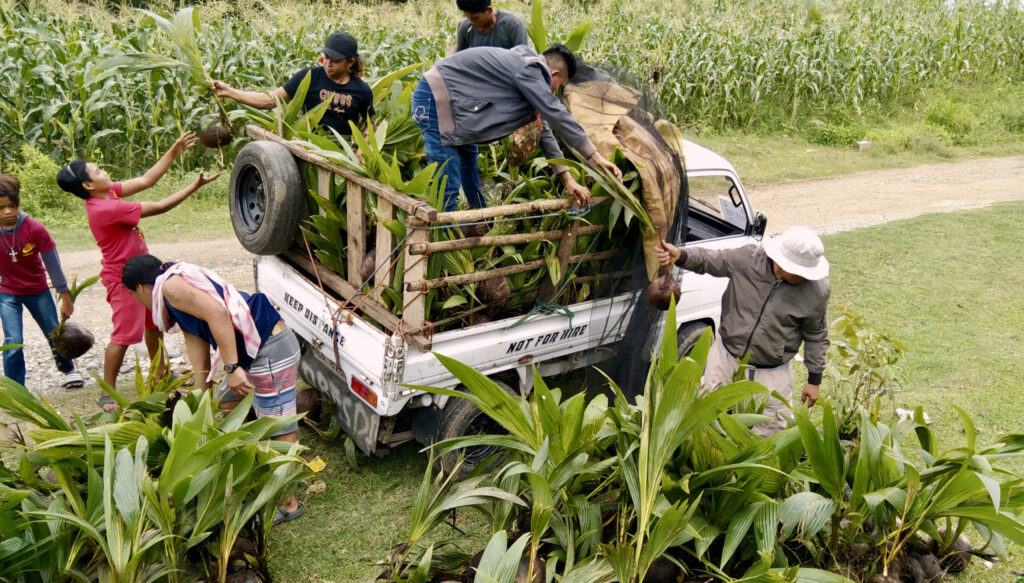
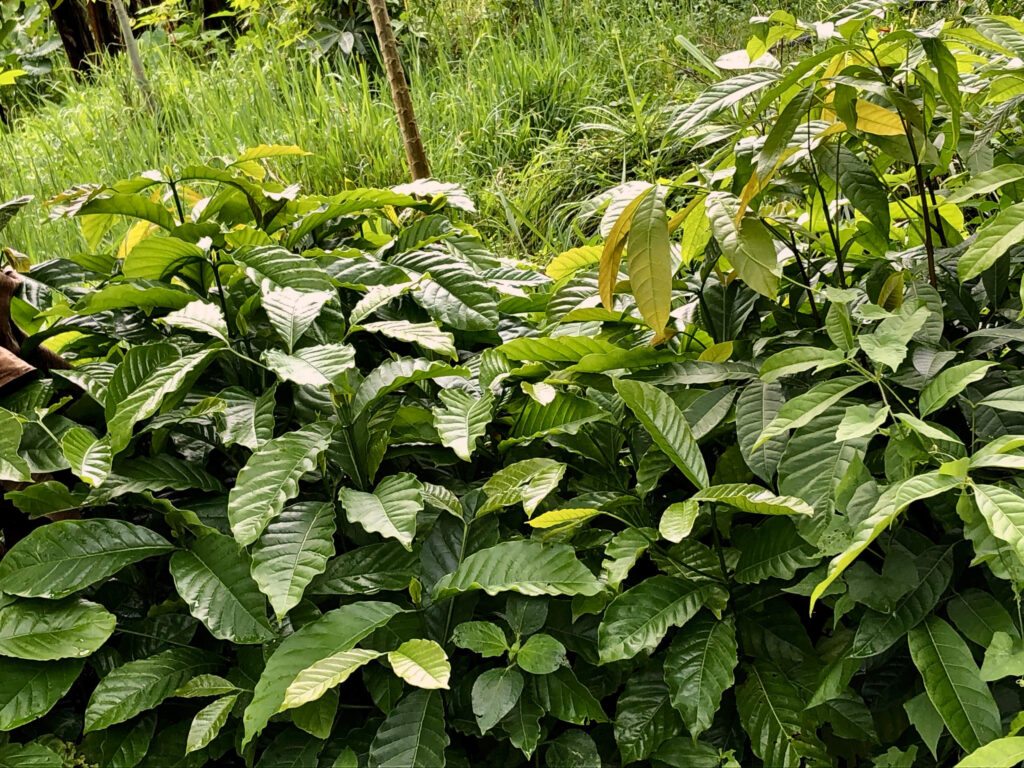
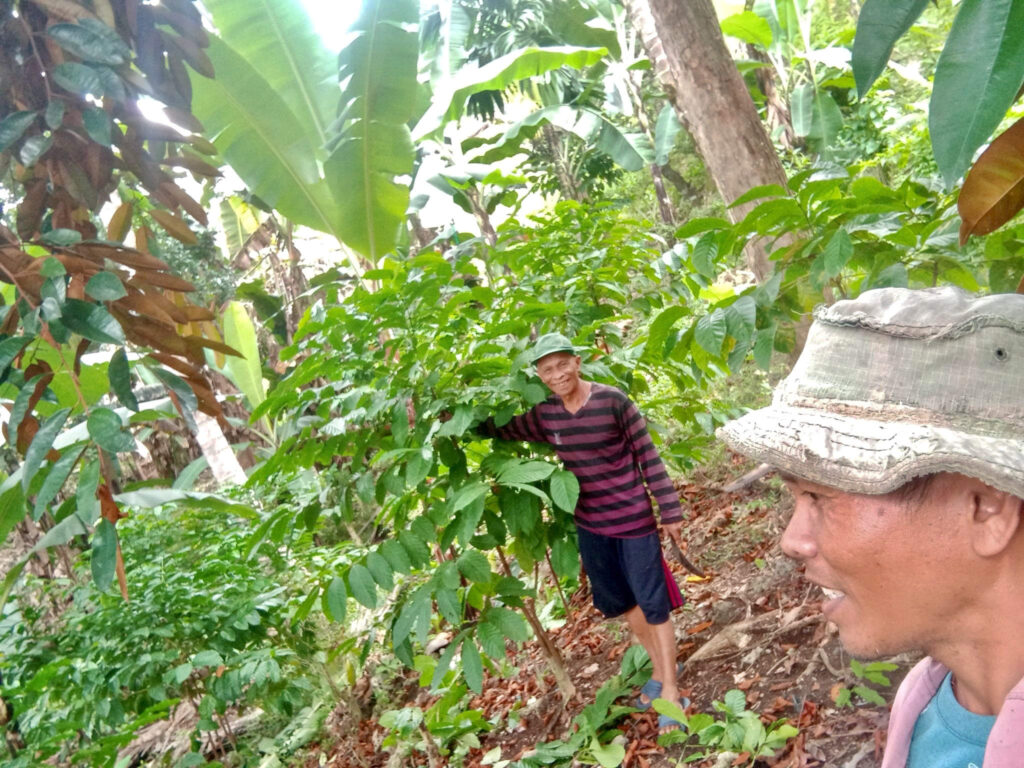
The "Transforming Mindscapes & Landscapes" project in the Philippine provinces of Banisilan and Arakan aimed to promote sustainable agriculture and ecological farming practices. Despite challenges such as earthquakes, drought, the COVID-19 pandemic, and extreme weather conditions, significant successes were achieved. Over three years, a total of 967 farming families transitioned 1,161 hectares of land to integrated ecological systems.
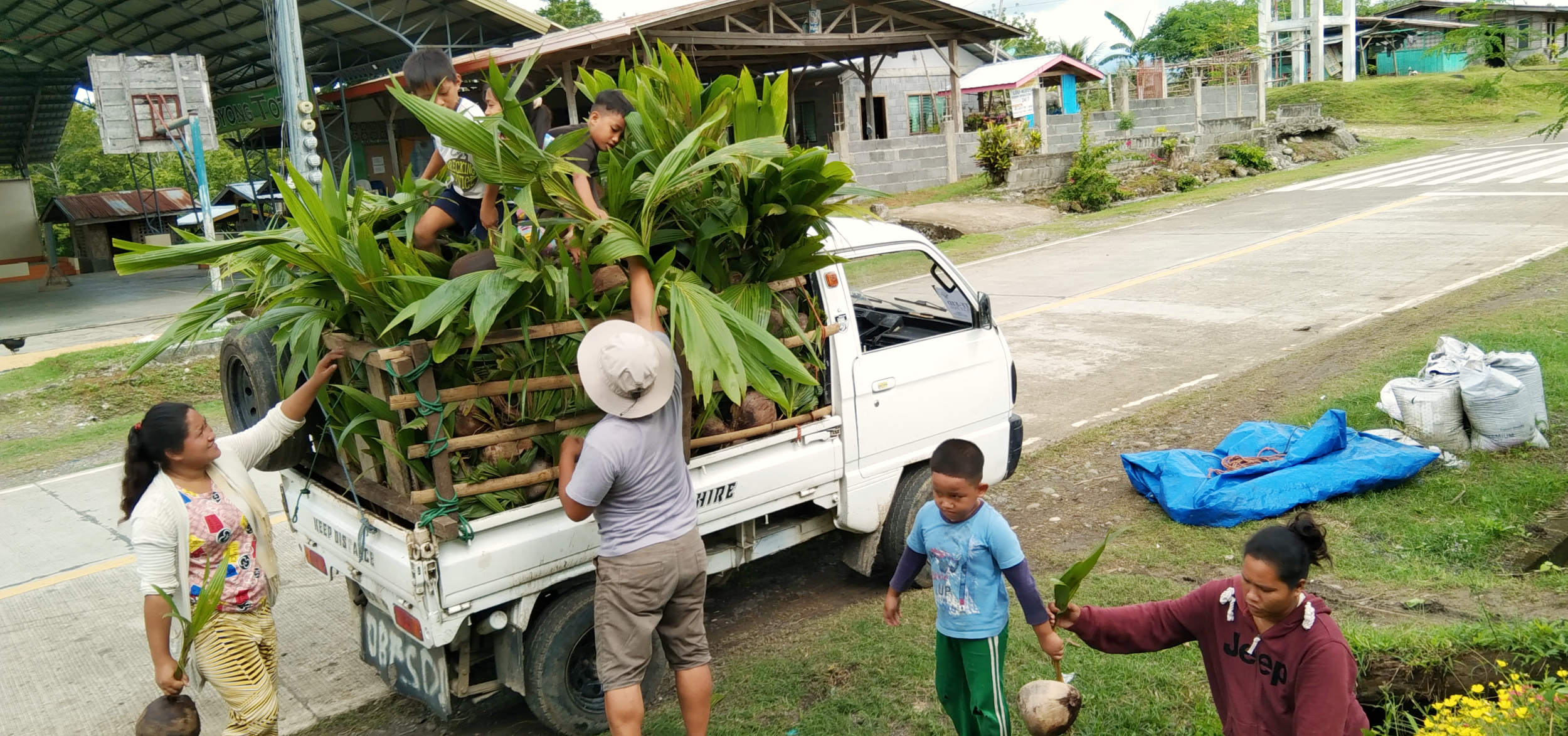
The project conducted 74 training sessions with 2,454 participants, established 101 model farms, and distributed 281,273 seedlings. Collaborations with government agencies and the formation of farmer cooperatives strengthened local self-organization. The project exceeded expectations, demonstrating the adaptability of its implementing partners and laying the foundation for long-term food security and climate resilience.
The Moringa Project in South Cotabato, Philippines
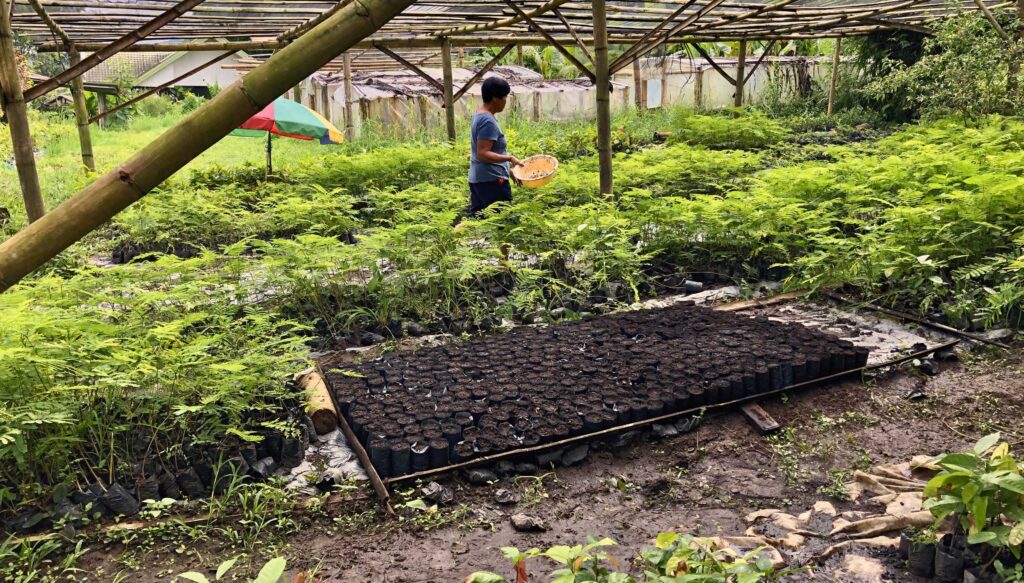
The Moringa Project in South Cotabato aimed to drive economic and ecological transformation for small farmers through sustainable agriculture and Moringa cultivation. Over three years, 579 farmers were trained in organic farming methods, and 36.7 hectares of Moringa plantations received international certification.
Processing centers were established, and Moringa-based products such as capsules and dried leaves were successfully introduced to the market. However, challenges such as earthquakes, poor water quality, and market barriers complicated implementation. Despite these obstacles, the project led to the adoption of diverse, sustainable farming systems, improved soil quality, and strengthened market access through organic certification and product development.
"From Soul to Soil", Philippines
In the upland communities of Banisilan and Arakan, the project empowers farming families to shift from chemical-based monoculture to integrated, diversified organic farming. Despite challenges from extreme weather and limited connectivity, over 2,000 families now cultivate more than 2,000 hectares using sustainable agroecological methods.
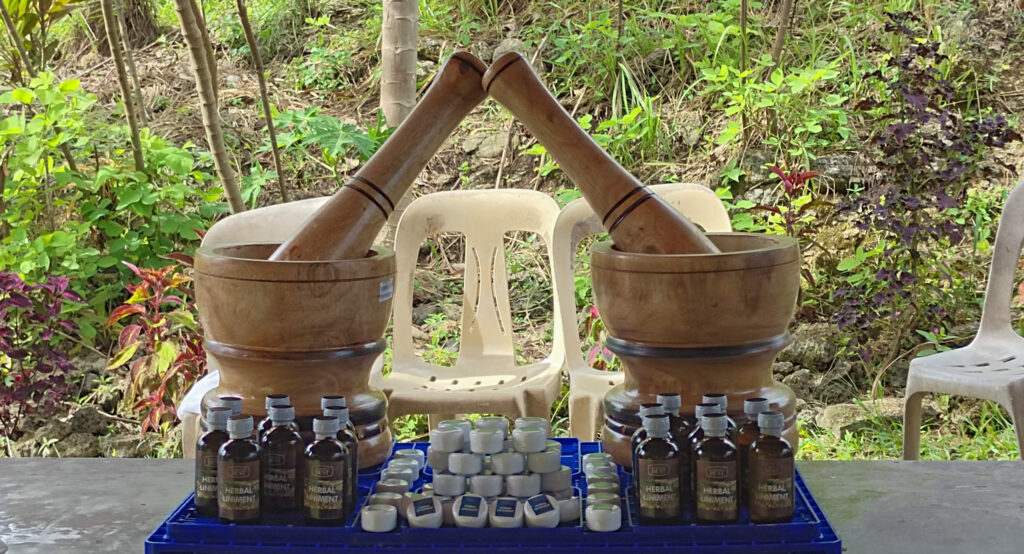
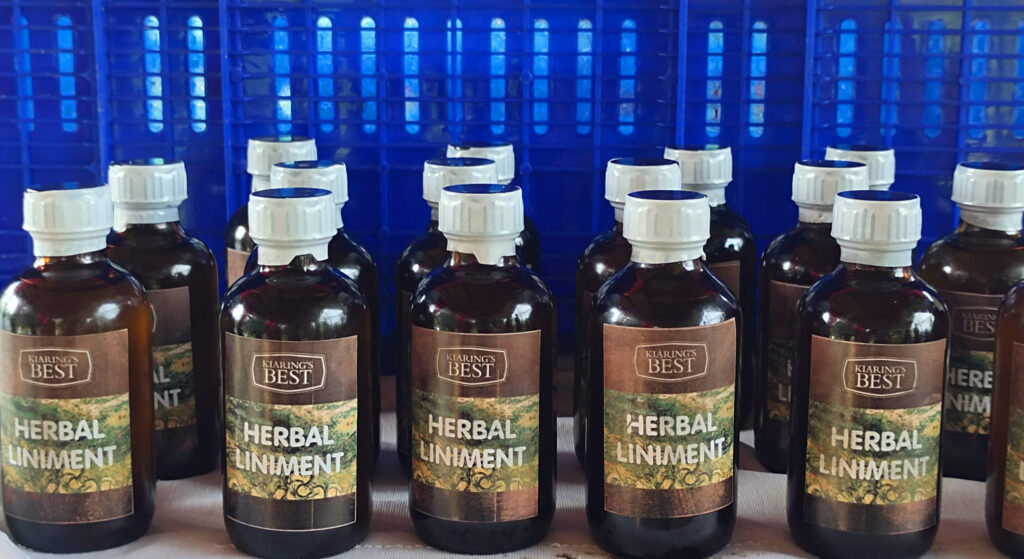
Through extensive training and hands-on support, farmers grow and process organic bananas, herbs, and other crops for local markets and a peer-to-peer trade partnership with Japan. The establishment of the Don Bosco Participatory Guarantee System (PGS) enables local organic certification and strengthens farmers’ market access.
Partnerships with government agencies provide further opportunities – from dairy cow dispersal programs improving family nutrition to farmer registration ensuring access to public support.
“From Soul to Soil” demonstrates that ecological farming can be both sustainable and economically viable, improving livelihoods while restoring the land for future generations.
Salesians of Don Bosco in Nepal
The Salesians of Don Bosco in Nepal support children, youth, and women on their journey out of poverty toward a self-determined and dignified life. Through education, vocational training, and community-based programs, they create opportunities for personal growth, social inclusion, and sustainable development – especially in marginalized and rural communities.
Their mission is to empower individuals to build a better future for themselves and their families.
The Back 2 Nature programme (B2N@Nepal) is implemented at two sites.
Organic Farming and Training for Mushroom, Vegetable Cultivation, and Preservation of Environment
The "Organic Farming and Training for Mushroom, Vegetable Cultivation, and Preservation of Environment (B2N@Nepal)" project aims to promote sustainable agriculture through mushroom and vegetable farming, biogas, drip irrigation, and solar energy. On a one-hectare site, innovative practices such as hydroponics, Moringa cultivation, and livestock farming (goats and chickens) have been integrated.
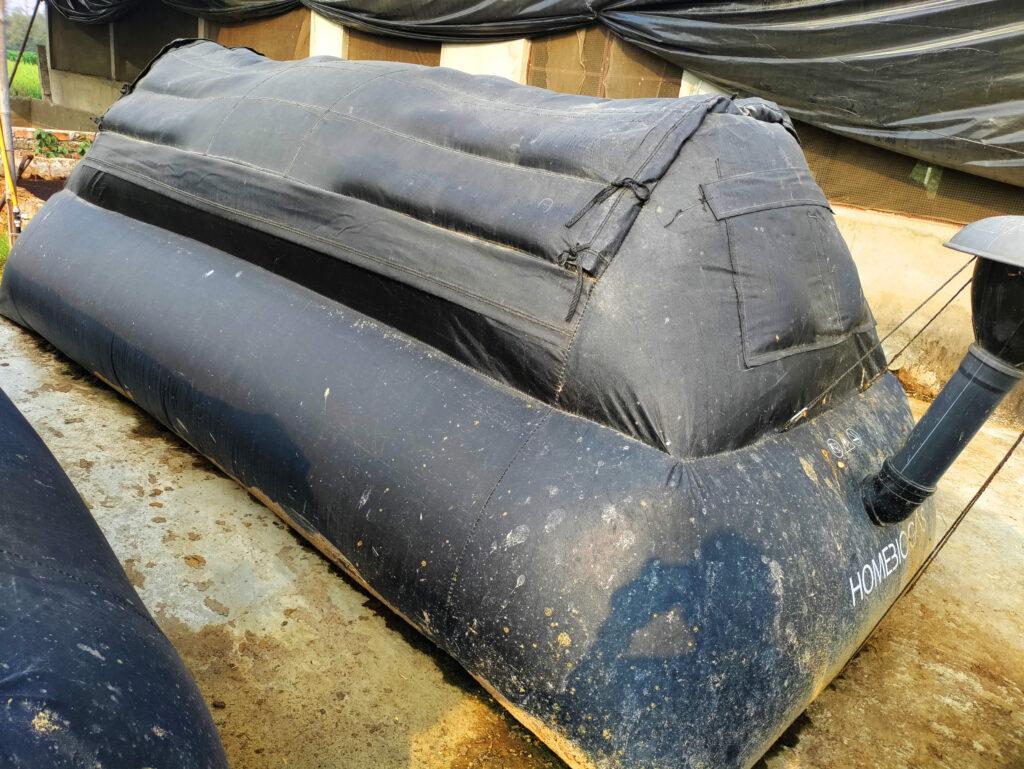
In its first year, over 350 participants received training in green skills through workshops, campaigns, and seminars, while public awareness initiatives encouraged sustainable action. Additionally, biogas and solar systems were successfully installed (see the picture with a biogas system beside). The project demonstrates how eco-friendly agriculture and environmental education can improve both living conditions and environmental protection.
B2N Project in Lauki, Nepal
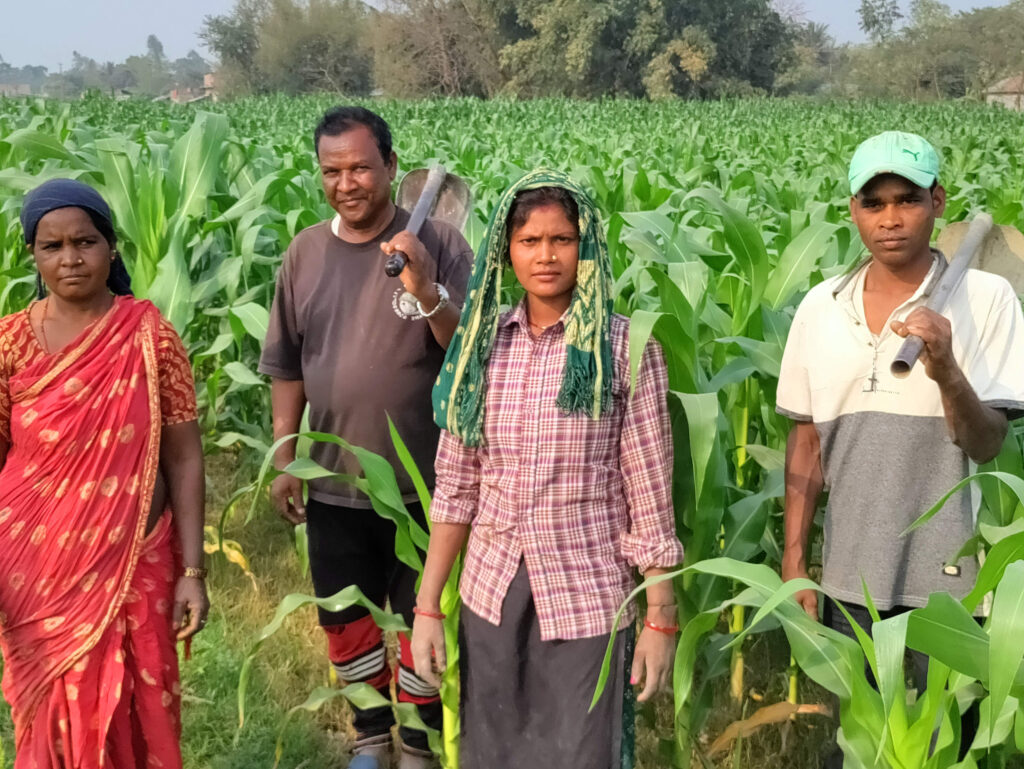
The B2N Project in Lauki, Nepal promotes sustainable agriculture and economic self-sufficiency through the cultivation of rice, jute, wheat, potatoes, and maize, as well as vegetable farming and fishery. Collaboration with landless families enables profit-sharing, while the use of organic fertilizers enhances soil health.
A biogas system has reduced reliance on LPG gas, and both a greenhouse and a dark room for mushroom cultivation have shown remarkable results within the first year. Seminars and school visits have helped raise awareness of sustainable farming practices.
Despite challenges such as price fluctuations and livestock diseases, the project has already achieved significant progress in sustainability and community empowerment within its first year.
Brothers of the Sacred Heart of Jesus, India
The Brothers of the Sacred Heart of Jesus (SHJ) actively support disadvantaged communities, including children, the elderly, people with disabilities, mental illnesses, widows, and those in financial hardship.
They are also dedicated to empowering and uplifting Dalits and indigenous communities, who face social exclusion, economic challenges, and lack of political representation.
B2N – Hydroponics Farming in Athipet, India
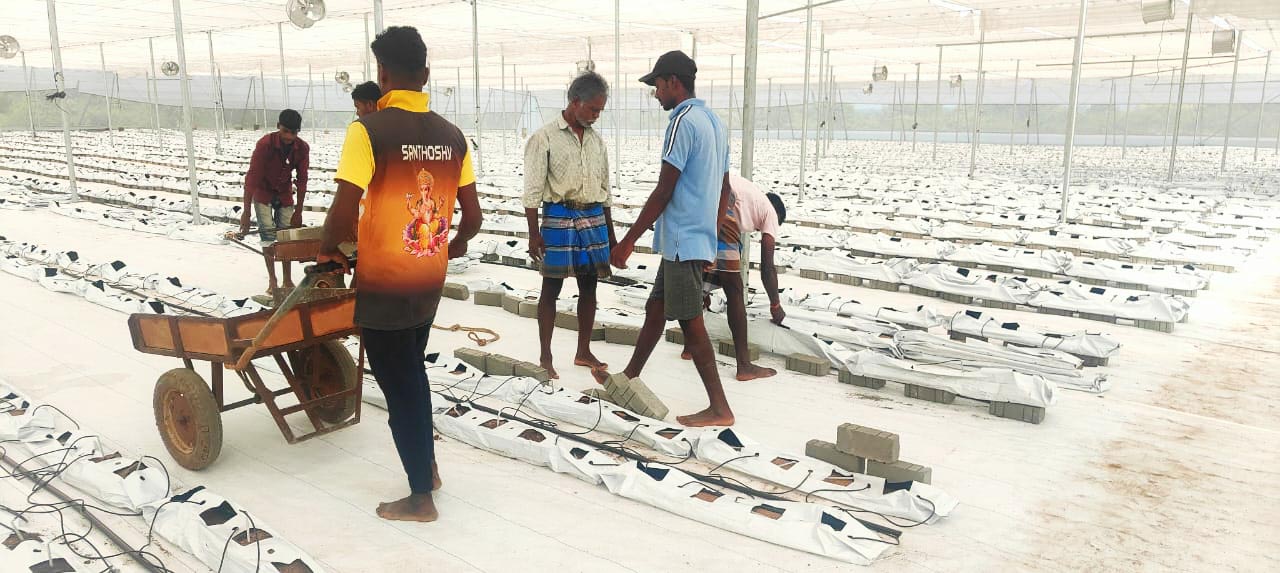
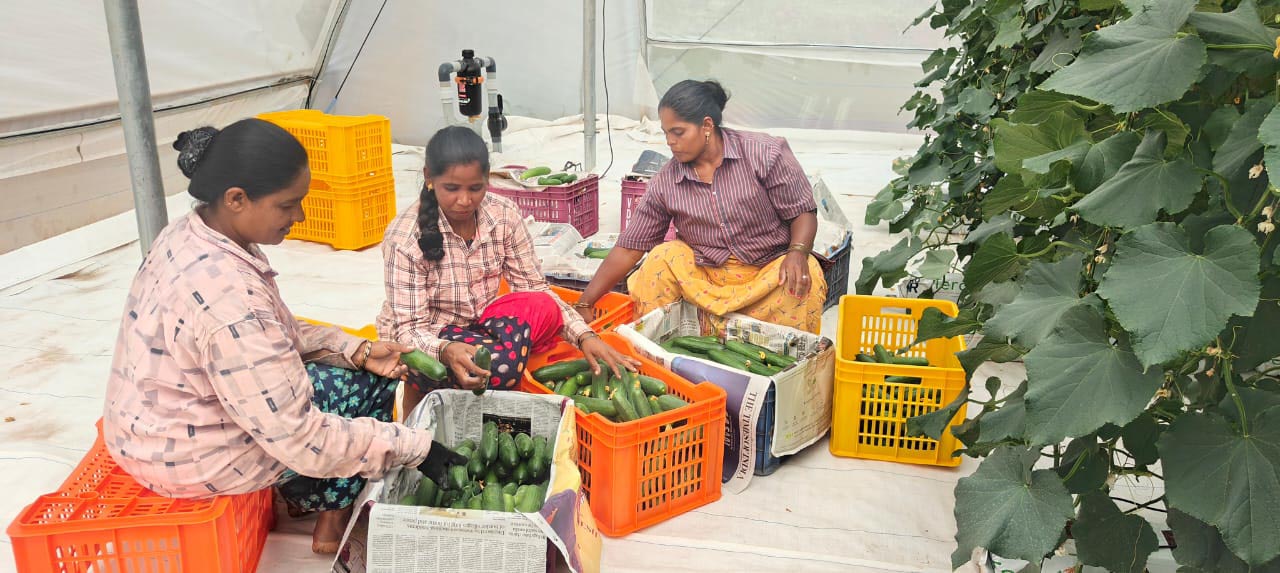
At St. Michael’s Farm in Athipet, the Back to Nature initiative has successfully established two fully automated hydroponic polyhouses covering two acres. Despite heavy monsoon rains and logistical challenges in the Jawadhu Hills, the first harvest of English cucumbers was completed in June 2025, achieving yields well above initial projections while using 85% less water than conventional farming.
The project combines cutting-edge automation and organic cultivation, enabling efficient fertigation and irrigation management even in remote areas. Local tribal communities and Self-Help Groups are being trained in hydroponic farming techniques, while outreach activities raise awareness among schools and families about sustainable, water-efficient agriculture.
Efforts now focus on market expansion and value-added processing, including organic certification and export-oriented partnerships. The Athipet farm serves as a model for climate-resilient and inclusive agriculture, offering new livelihood opportunities—especially for persons with disabilities—and proving that high-tech sustainability can thrive in rural India.
Stella Maris Institute of Development Studies (SMIDS)
The SMIDS is a development and education trust founded in 1997 by the by the sisters of the Congregation of the Daughters of Mary, with a mission to empower disadvantaged women and marginalized communities in Tamil Nadu, India. With extensive experience in supporting vulnerable groups—including tribal families, people with disabilities, and those affected by HIV/AIDS, leprosy, or poverty—SMIDS works in diverse areas such as women’s empowerment, sustainable agriculture, animal welfare, microfinance, and education.
Back to Nature @ SMIDS – Moringa Farming in Tamil Nadu, India
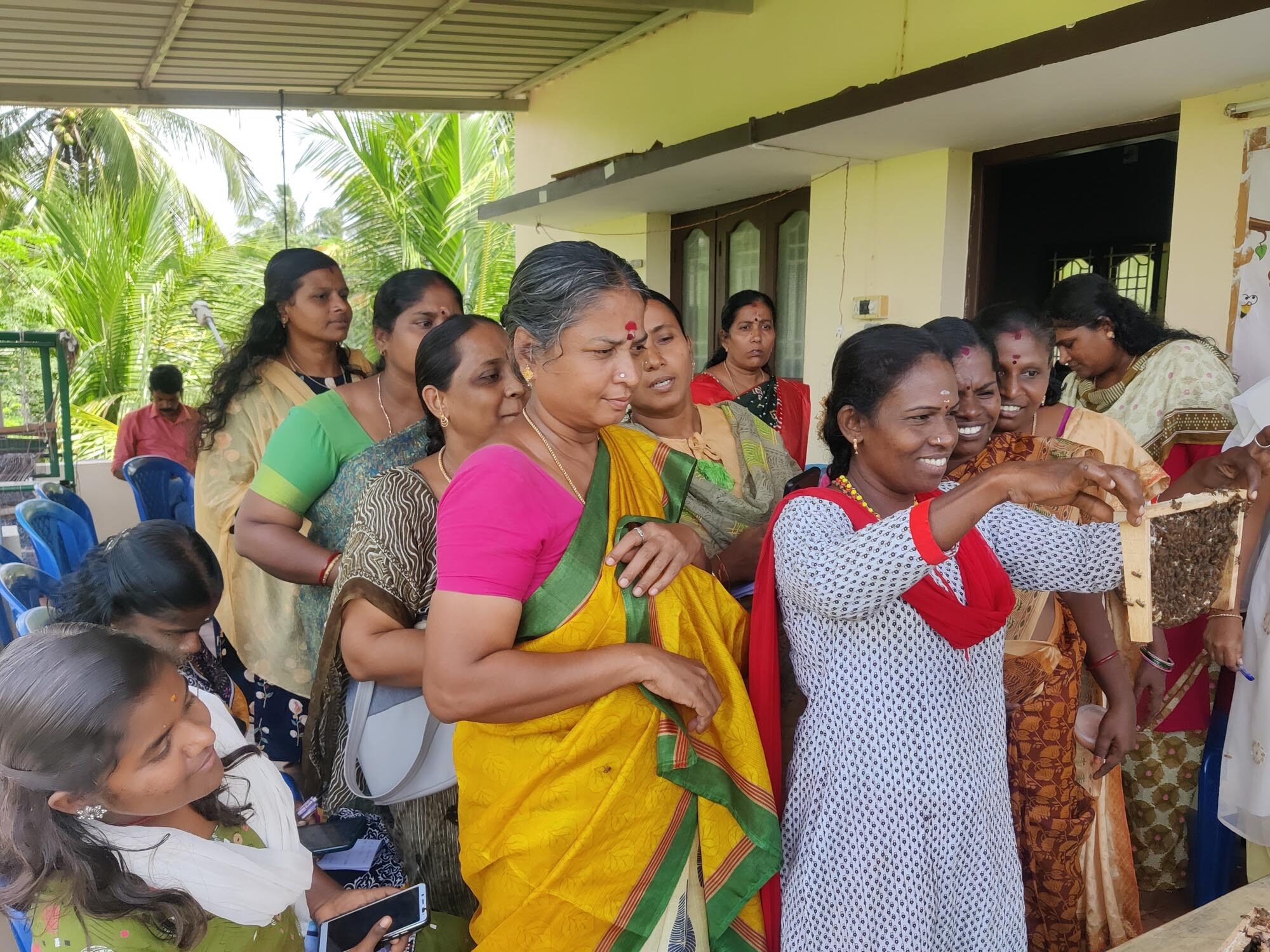
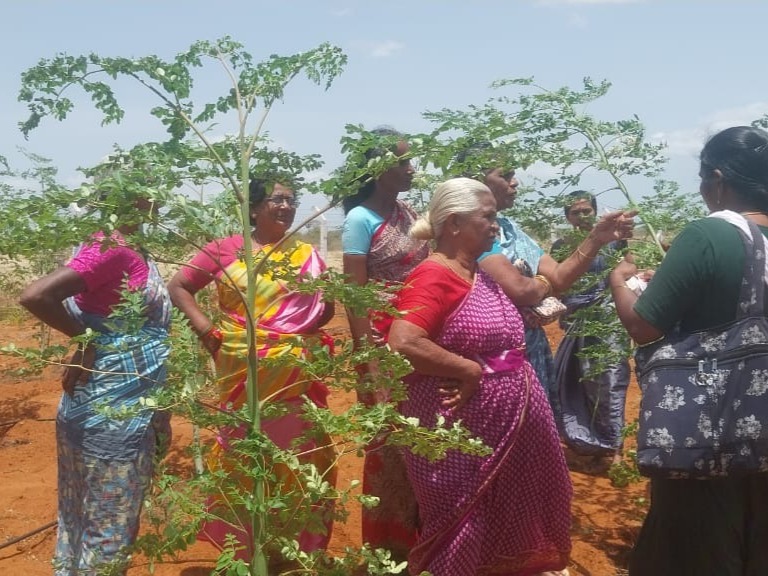
This project aims to empower marginalized rural communities in Tamil Nadu through sustainable Moringa farming, agroecological practices, and women's entrepreneurship. Over a two-year period (2025–2026), it will directly benefit 60,000 women and 1,000 men in 189 villages, and indirectly reach over 100,000 women.
Key activities include setting up a model Moringa farm, training on sustainable agriculture and entrepreneurial skills, forming Self-Help Groups (SHGs) and Farmer Producer Organizations (FPOs), and providing access to warehousing and a mobile sales platform via SaaS technology (Software as a Service). By project’s end, thousands of women will have started small businesses, and SMIDS will have launched its own Moringa brand. The project promotes environmental sustainability, economic resilience, and social inclusion, especially for women in vulnerable rural communities.
Fondo Ecuatoriano Populorum Progressio (FEPP)
The FEPP has been working for decades on issues related to environment, agriculture, and marketing in the context of smallholder cooperatives.
Agroecology has always been an important component within the concept of promoting SIPAS (Sistemas Integrales de Producción Agropecuaria Sostenibles / Integrated Sustainable Smallholder Farming Systems) in the Andes, as well as in the Amazon and coastal lowlands of Ecuador.
Over the years, FEPP has implemented dozens of projects that include this component.
Agroecological Practices and Nature Conservation by Indigenous Women in Ecuador
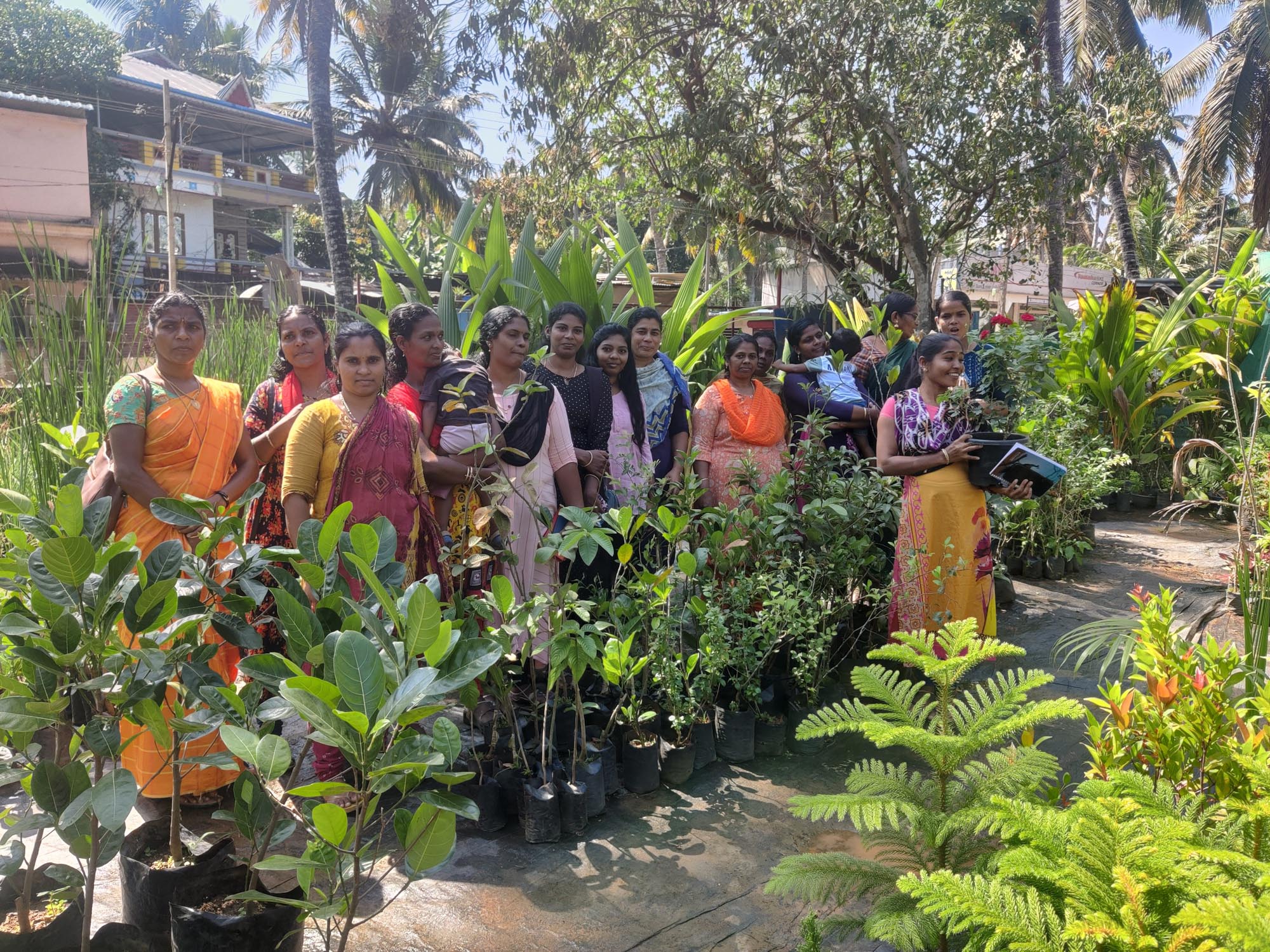
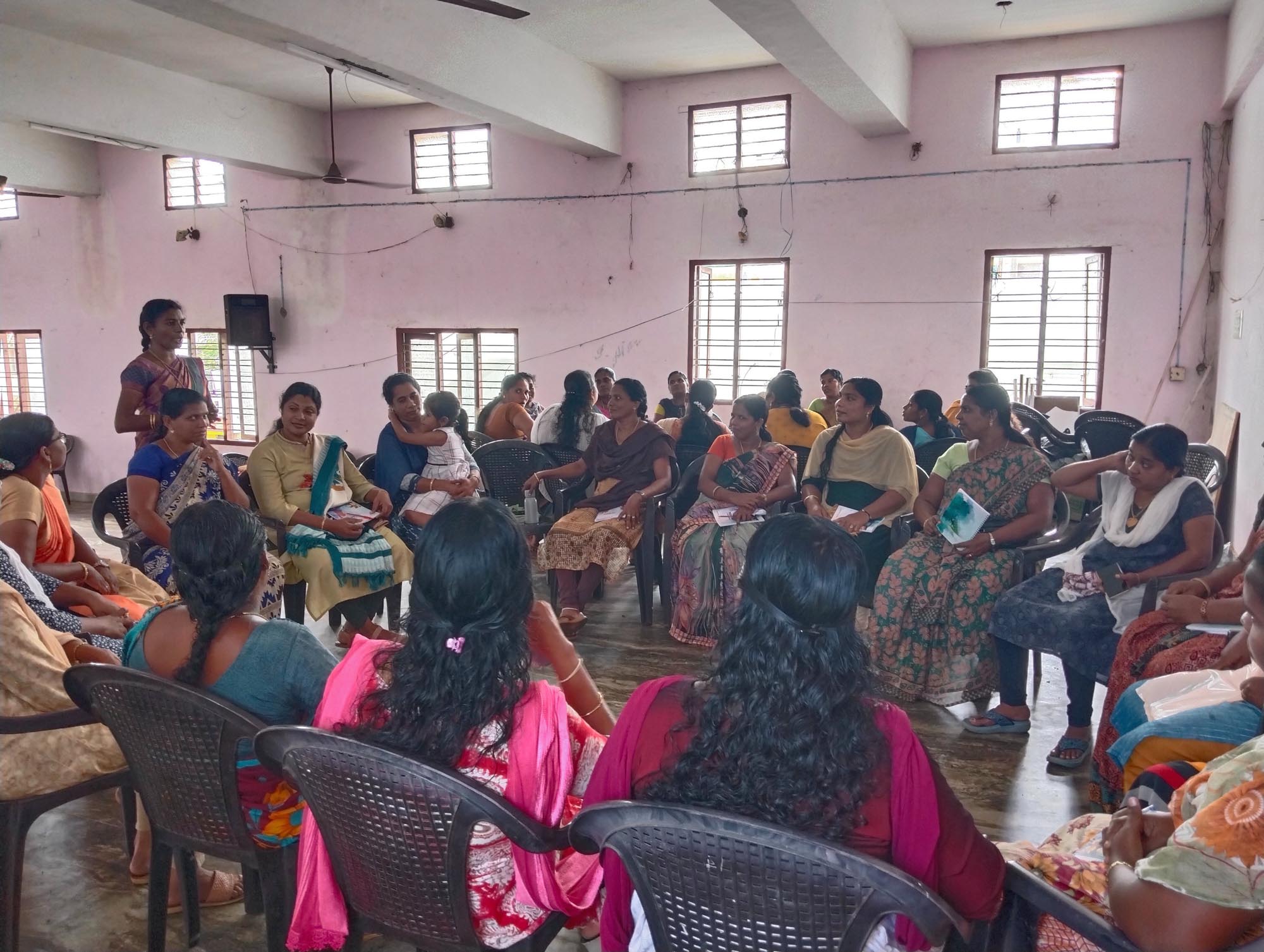
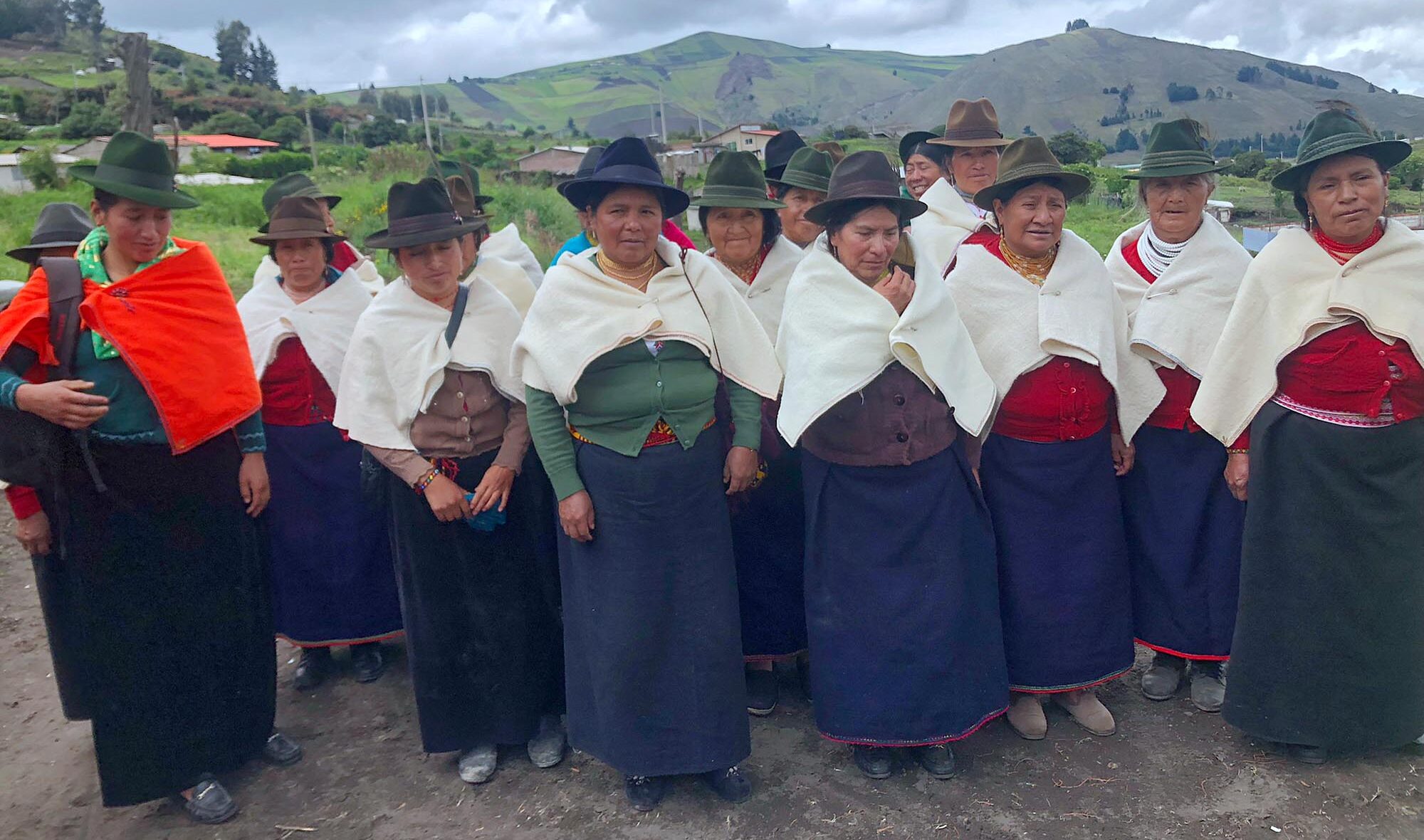
This project empowers 250 indigenous women from nine local organizations in Cebadas, Chimborazo Province, Ecuador. Alongside their families—reaching roughly 1,000 people—they adopt agroecological farming methods, including organic fertilization, soil conservation, and the protection of native forests and water resources.
Furthermore, the initiative equips women with tools to run community-based enterprises, manage production and marketing, and implement waste reduction and recycling strategies. A pilot biogas system is being integrated to convert agricultural residues into clean energy and natural fertilizer. This holistic model strengthens food sovereignty, ecological resilience, and economic independence in a region grappling with severe poverty and environmental challenges.
The Agronomic Technical School of Barinas – More Than Education for Venezuela’s Youth
In a country where 34% of children and young people are out of school, mostly due to poverty, the Salesian Agronomic Technical School (ETAS) in Barinas offers real opportunities for change.
More than 100 students aged 15 to 17 receive not only education in agriculture and livestock, but also meals, healthcare, extracurricular activities, and a supportive, family-like environment that fosters their personal and professional growth.
Back2Nature at the Don Bosco Agricultural School, Barinas (Venezuela)
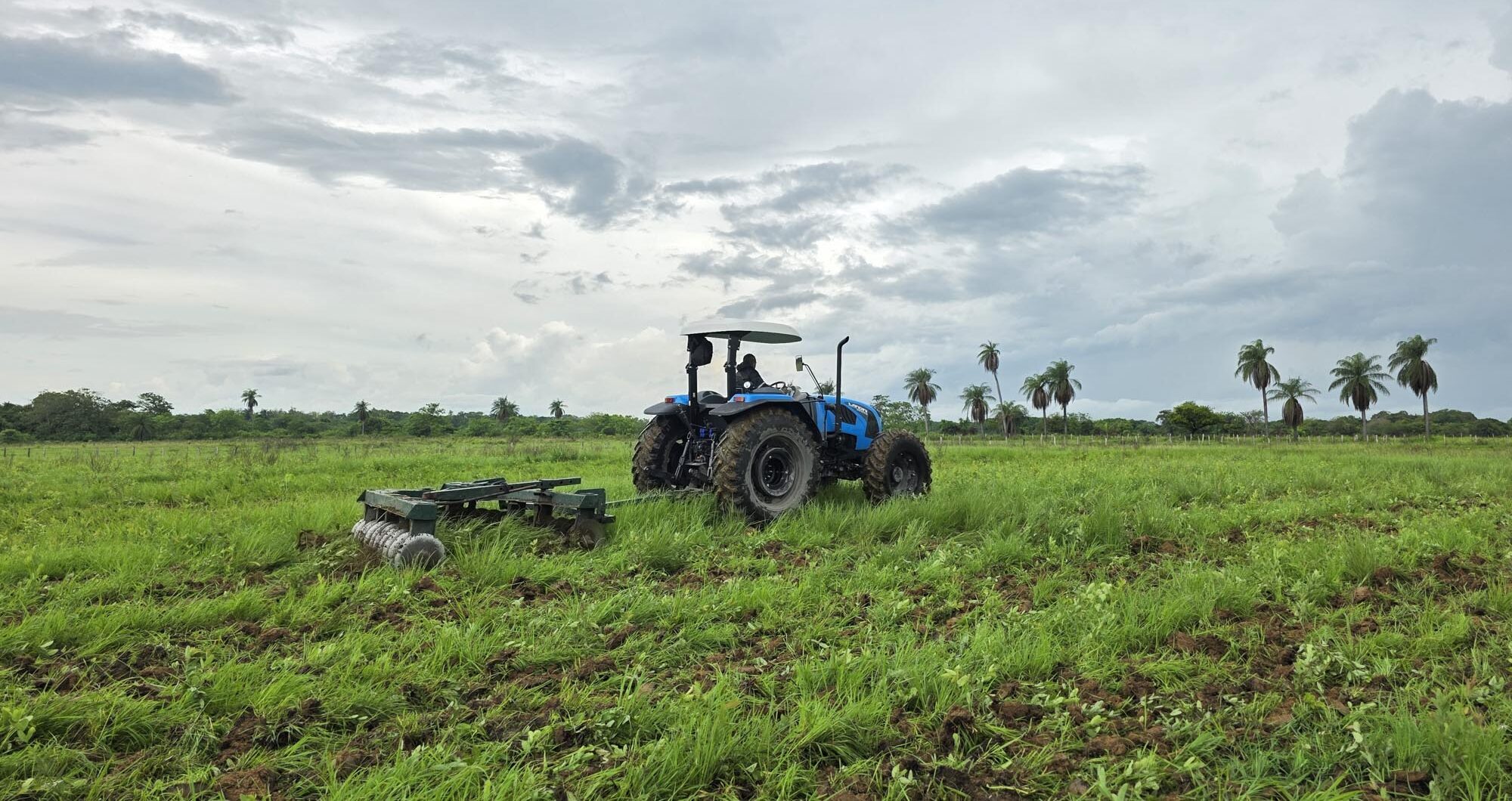
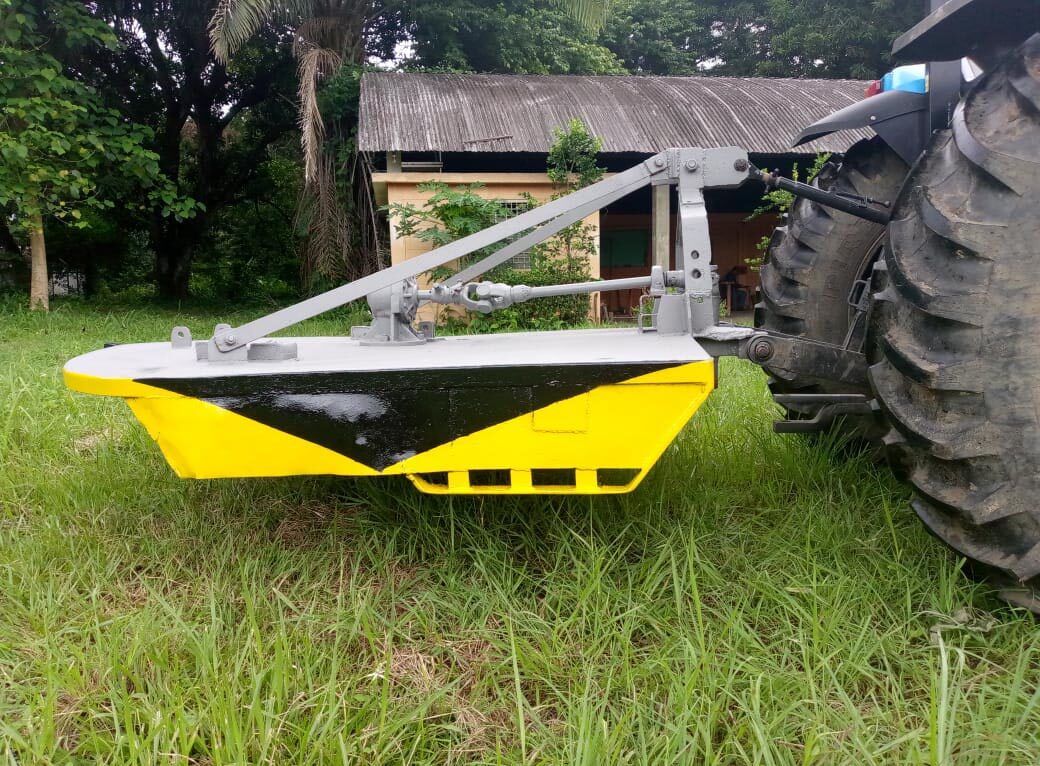
This project aims to promote sustainable agriculture and food security in Barinas through improvements at the Don Bosco Technical Agricultural School. Key goals include equipping the school farm with livestock, upgraded machinery, a biogas digester, and solar energy systems, while also enhancing infrastructure and training capacities.
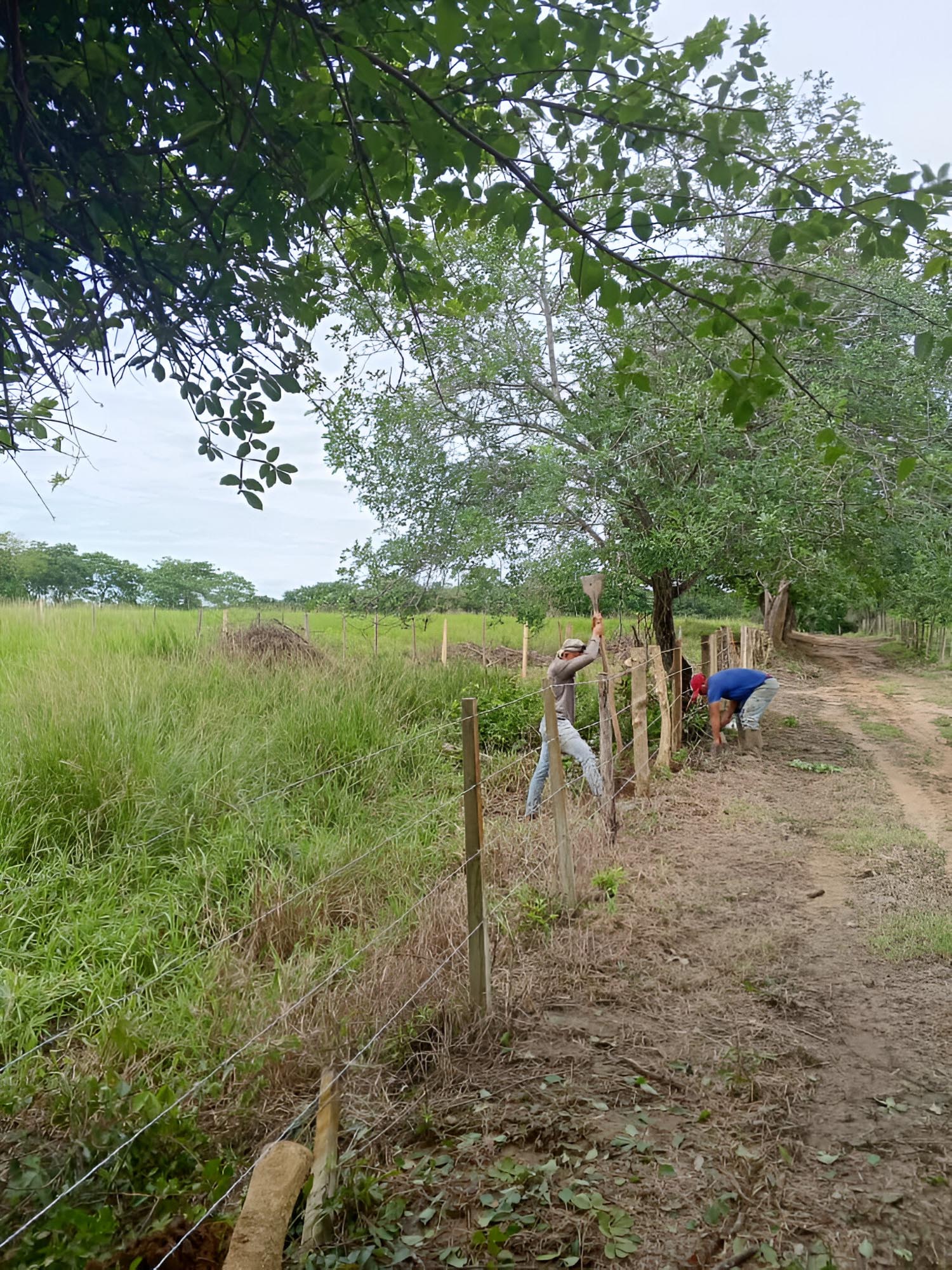
The project targets up to 1,000 direct beneficiaries, including students, school staff, local farmers, and vulnerable families in surrounding communities. Activities involve vocational training, tree and plant distribution, and local food support through chicken rearing and agroecological practices. By strengthening education and environmental sustainability, the initiative improves local livelihoods, supports climate resilience, and offers a replicable model of community-based development.