
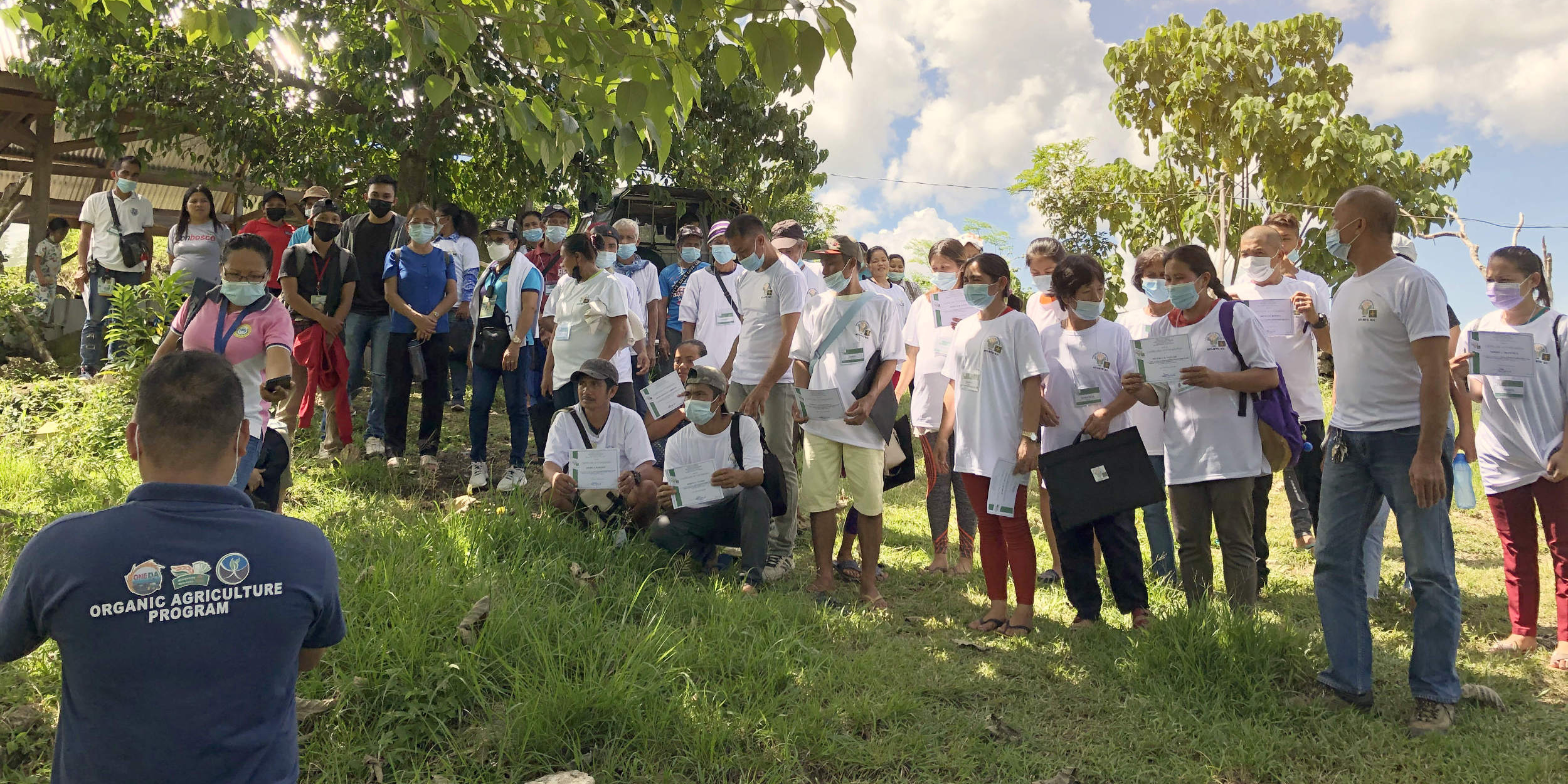
 Lessons Learned – What We Can Learn from Back2Nature's Initial Projects
The projects—"Transforming Mindscapes & Landscapes," the Moringa Project in South Cotabato, "From Soul to Soil," "Back to Nature @Nepal," the "Back to Nature" project in Lauki, and "Back to Nature – Hydroponics Farming in Athipet, India"—send a clear message:
We must act now to create a sustainable future for our environment and society.
Together for a Sustainable Future
Protecting Our Planet Through Sustainable Agriculture
The projects demonstrate that agroforestry, hydroponics, and organic farming not only protect soil and water resources but also help combat climate change and resource scarcity. These solutions must be adopted worldwide — every step counts!
Empowering the Most Vulnerable
Indigenous communities, landless families, and people with disabilities deserve not just support, but opportunities for self-reliance. By providing education, access to resources, and innovative technologies, we can create a more just society. Let's leave no one behind!
Using Innovative Technologies for People and the Planet
From biogas to solar energy, hydroponics to drip irrigation—these projects prove that progress and sustainability can go hand in hand. Let’s ensure these technologies become accessible worldwide!
Investing in Education and Awareness
Knowledge about sustainable farming, Moringa cultivation, and water management has transformed lives. By sharing this knowledge, we can empower entire communities. Every training session and awareness campaign matters — let's be multipliers of change!
Creating Economic Sustainability
The projects show how economic success and environmental responsibility can go together. From organic product sales to byproducts like biofertilizer, it is possible to generate income while protecting the environment. Let’s support such initiatives—they are the future!
Learning from Challenges and Staying Resilient
Extreme weather, price fluctuations, and livestock diseases posed challenges, but the projects overcame them with strength and innovation. Their resilience inspires us to find solutions even in difficult times. Let’s share these lessons and move forward together!
Call to Action: Act Now!
These projects are not isolated successes—they are blueprints for a sustainable future. By working together, we can achieve environmental, social, and economic progress. Support these initiatives, advocate for sustainable solutions, and be part of this movement—for our world and for future generations. The time to act is now!
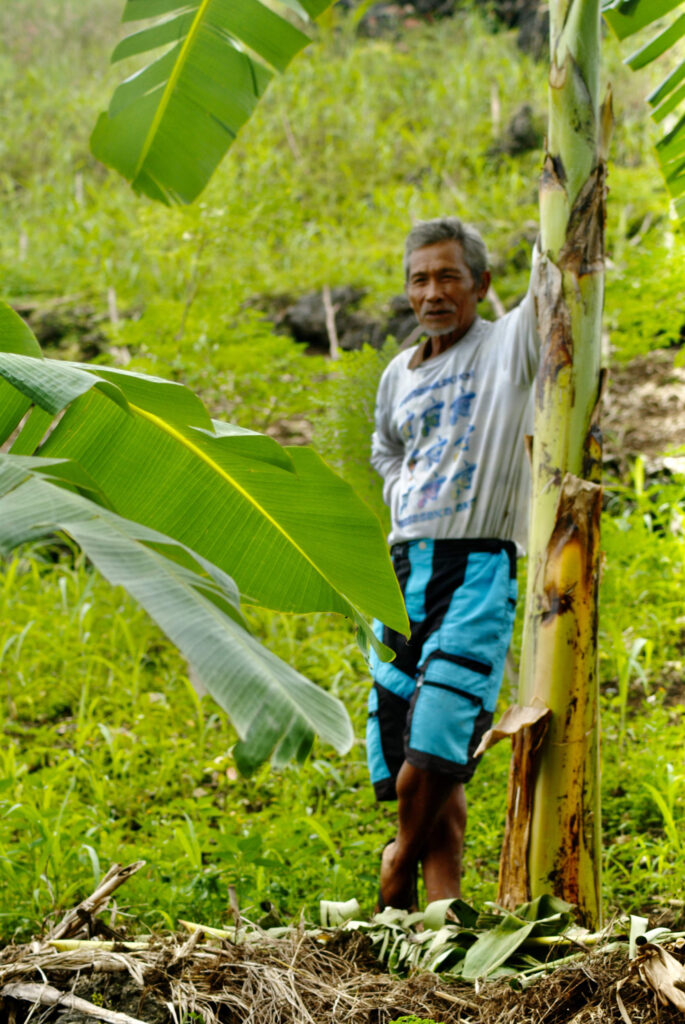
Potential for Knowledge Exchange
The six projects offer a wealth of best practices that can be transferred from one initiative to another. Here are some key learnings and scalable approaches:
1. Biogas and Organic Fertilization
Some projects use biogas for energy and biofertilizer to improve soil health. Expanding this to other projects could reduce dependence on chemical fertilizers and lower energy costs.
From: “Back to Nature @Nepal” and Lauki Project
To: “From Soul to Soil” and “Hydroponics Farming in Athipet”
2. Hydroponics and Innovative Farming Methods
Hydroponics enables efficient water use and high yields in limited spaces. This could be a game-changer for water-scarce areas.
From: “Hydroponics Farming in Athipet”
To: Nepal and South Cotabato projects
3. Agroforestry and Mixed Cropping
Diverse cropping systems improve soil health and biodiversity, making agriculture more resilient to climate change.
From: “Transforming Mindscapes & Landscapes” and “From Soul to Soil”
To: Lauki Project and Athipet
4. Community-Based Approaches and Profit-Sharing
Profit-sharing with landless families strengthens social justice and local ownership. This model could be expanded to other regions.
From: Lauki Project
To: All projects
5. Moringa Cultivation and Marketing
Moringa is nutrient-rich, versatile, and economically valuable. Scaling up its production could enhance food security and income generation.
From: Moringa Project in South Cotabato
To: From Soul to Soil and Nepal
6. Greenhouses for Climate Adaptation
Greenhouses protect crops from extreme weather and enable year-round production.
From: Lauki Project and Hydroponics Farming in Athipet
To: From Soul to Soil and South Cotabato
7. Education and Awareness Campaigns
Training and awareness initiatives are essential to sustainably embedding best practices in communities.
From: “Back to Nature @Nepal”
To: All projects
8. Renewable Energy Solutions
Using solar energy and other renewables reduces operational costs and the environmental footprint.
From: Nepal and Athipet
To: South Cotabato and Lauki
9. Inclusive Approaches
The inclusion of people with disabilities and marginalized groups enhances social equity and strengthens community resilience.
From: Athipet Project
To: All projects
SIPAS: A Model for Sustainable Rural Development
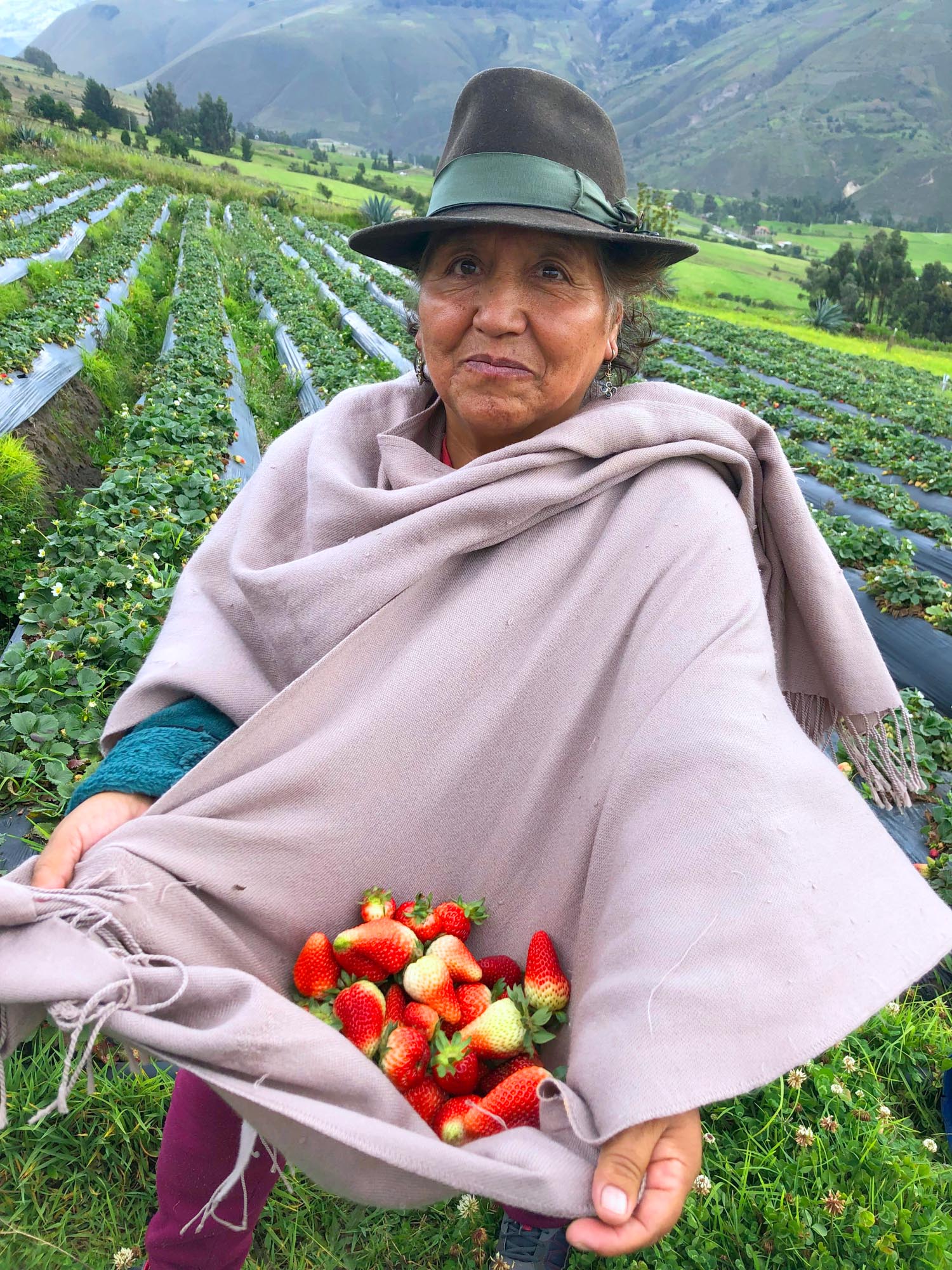
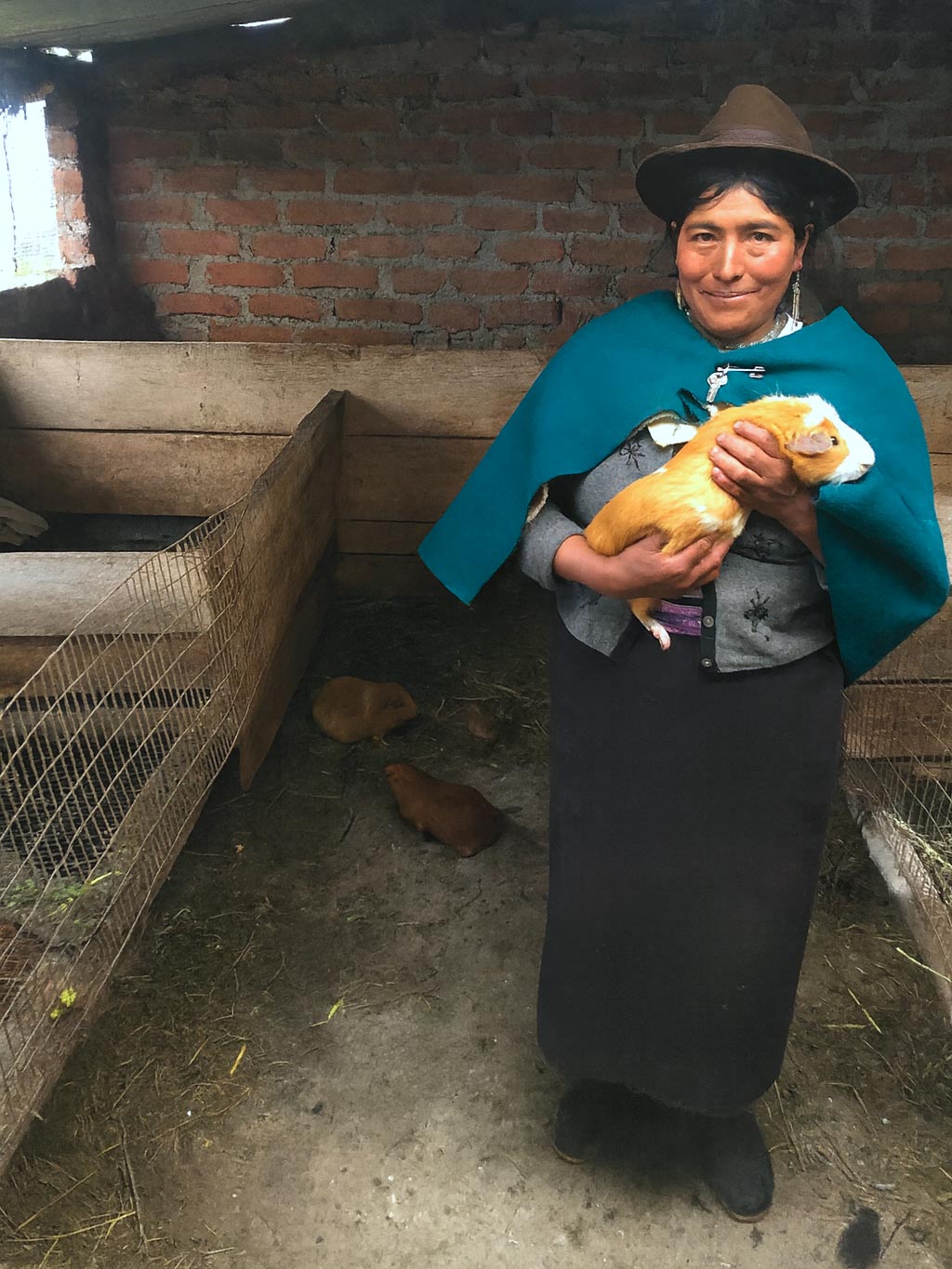
A powerful lesson from the work of Fondo Ecuatoriano Populorum Progressio (FEPP) in Ecuador lies in how integrated, sustainable farming systems can transform rural livelihoods.
Through the SIPAS approach (Sistemas Integrales de Producción Agroecológica Sostenible), families are supported not just with agricultural techniques, but with a holistic model that promotes diversified, agroecological production using local resources.
This experience shows that when smallholder farmers are empowered to combine multiple crops, agroforestry and regenerative practices into one system, both food security and economic resilience are strengthened — and reliance on conventional, input-intensive methods is reduced.
A key insight is that technical training paired with ongoing, on-site accompaniment builds confidence, local knowledge and long-term capacity for self-management. Ultimately, the FEPP SIPAS experience teaches that sustainability is most effective when it is integrated, context-specific and driven by the people it is meant to benefit, offering a valuable model for other sustainable rural development initiatives.
Successful Crops and Uses in the From Soul to Soil Philippines Experience
In the From Soul to Soil integrated farming systems in the Philippines, a wide variety of tropical crops were successfully grown — each chosen for its role in nutrition, resilience, processing potential and income generation:
Resilient Food Crops for Daily Diets
- Root crops such as taro, sweet potato, ube (purple yam), lesser yam, gabi/taro and cassava were cultivated for reliable, drought-resilient staple foods that can be cooked and eaten immediately or turned into snacks and chips.
- Bananas (common local varieties) provided fresh fruit, cooking bananas and raw material for chips, snacks and fermented products.
- Vegetables, herbs and spices — including eggplant, okra, string beans, leafy greens and hot chilies — supplied essential micronutrients and diversified household diets.
Trees and Perennial Fruit Species
- Food forest species like breadfruit, jackfruit, marang and breadnut produced seasonal fruits, seeds and vegetables that could be eaten fresh or processed into dried products, chips and preserves.
- Fruit trees such as rambutan, avocado, durian, lanzones and mangosteen supported both family nutrition and marketable fruit harvests, with options for value-added products like wine or powders.
Commercial Crops for Income
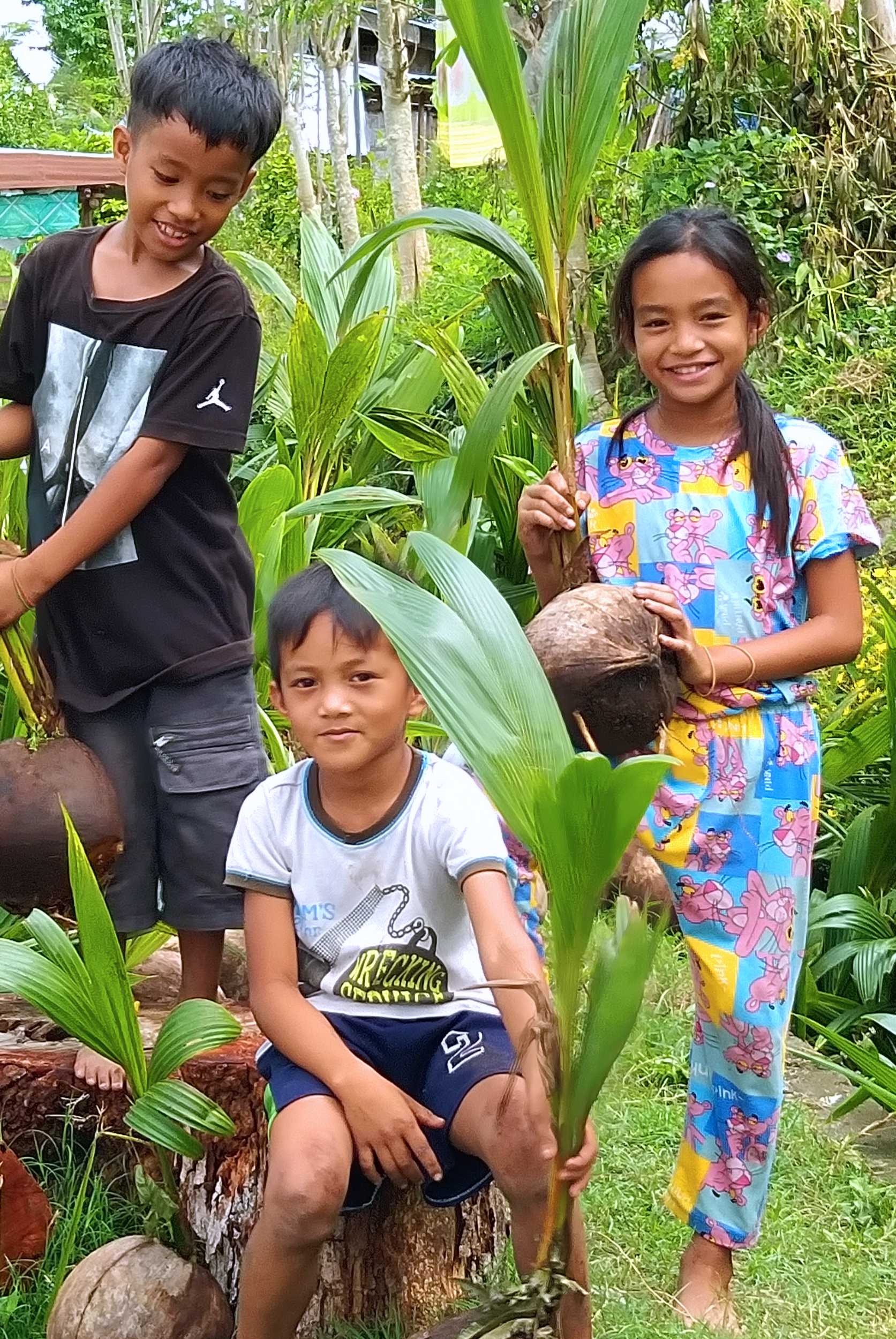
- Coconut served as a multi-purpose cash crop: young coconuts for drinking, mature coconuts for milk and oil, copra for oil mills, and by-products for snacks and bakery uses.
- Coffee (Robusta and others) and cacao were grown mainly for sale as beans or processed into roasted or fermented products.
- Export organic bananas were cultivated for international markets, with non-qualifying grades processed locally into banana bread, cakes or chips.
- Turmeric and ginger were cultivated as commercial root crops, supplying local and regional demand for spices and medicinal uses.
- Moringa was maintained for local processing into powdered leaves and bakery ingredients despite early market challenges.
Supporting and Non-Commercial Species
- Bamboo was grown for future construction uses and shoots, while timber and medicinal trees supported biodiversity, soil health and watershed protection.
- Cover crops such as Arachis pintoi helped improve soil fertility and prevent erosion.
Together, these plants not only secured household food needs, but also supplied materials for local processing, value-addition and income generation, demonstrating the strength of agrobiodiverse systems that simultaneously nourish, protect and economically empower farming families.
Shared Lessons from SIPAS and From Soul to Soil
Viewed together with the SIPAS approach promoted by the Fondo Ecuatoriano Populorum Progressio (FEPP), From Soul to Soil reinforces a powerful shared lesson: sustainable agriculture works best when it is integrated, not specialized. Both experiences show that agroforestry-based systems combining food production, income generation, ecosystem restoration, and social empowerment outperform single-crop, input-intensive models.
A central takeaway is that food sovereignty must come before commercialization — markets are important, but resilience begins with secure household nutrition. Finally, both models demonstrate that long-term sustainability depends on empowering farming families to make their own decisions, supported by technical guidance and continuous accompaniment rather than standardized solutions. These lessons highlight the replicable value of principle-based design — diversity, integration, and local ownership — across different regions and cultural contexts.
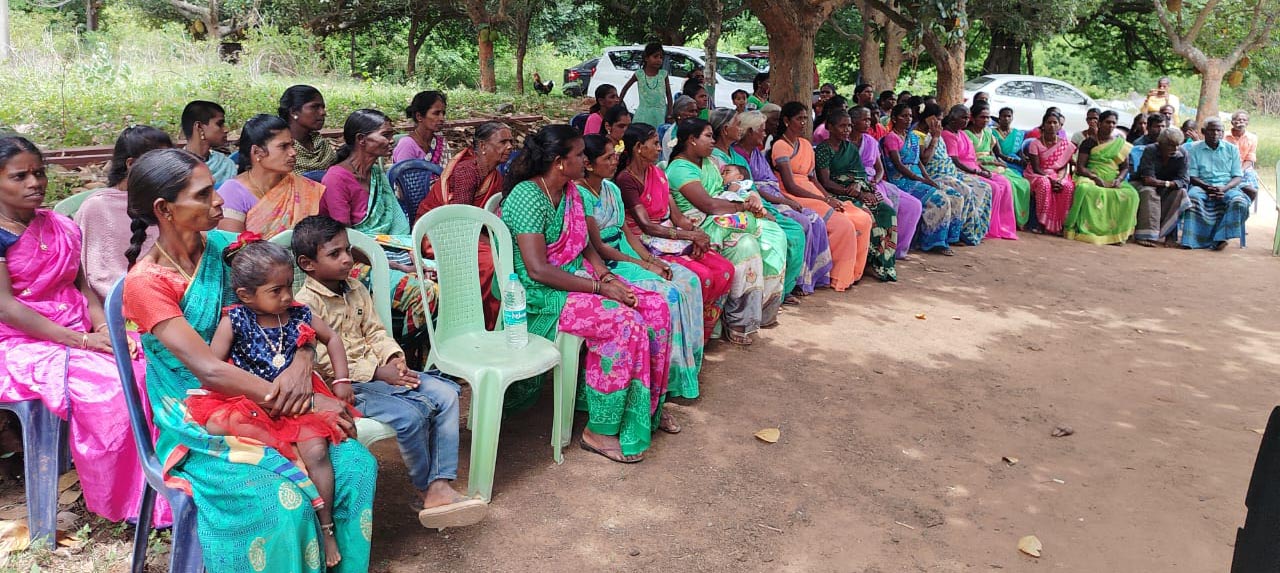
Lessons Learned – Hydroponics Farming in Athipet, India
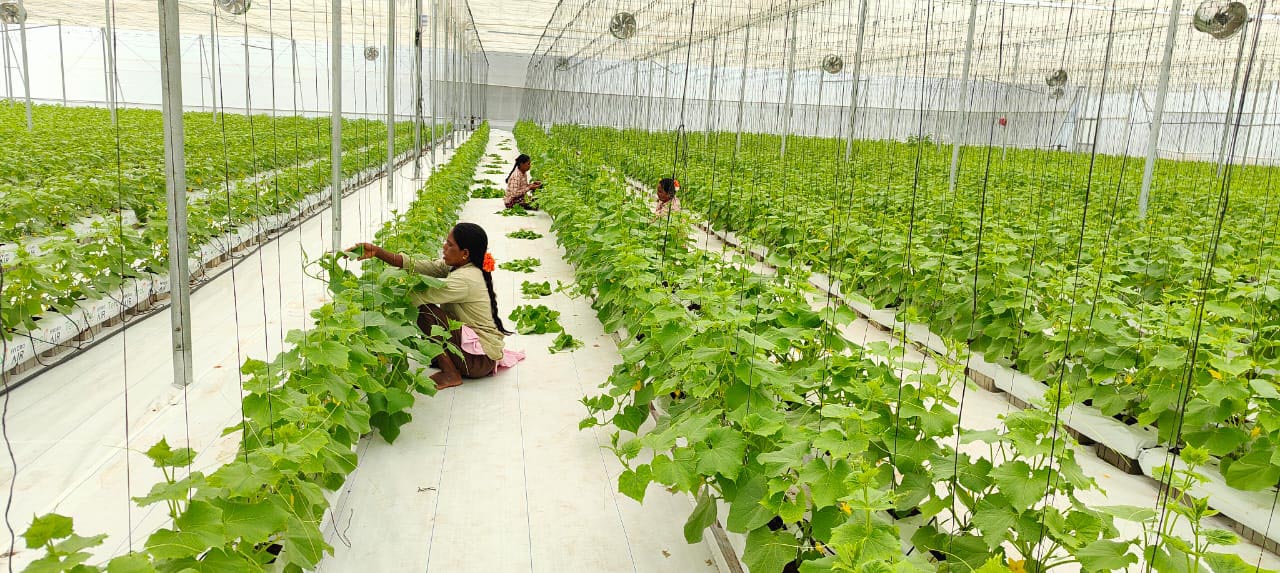
Introducing automation in hydroponics has proven crucial for efficiency and consistent yield, especially in remote rural settings with limited skilled labour.
The project’s fully automated fertigation system not only improved productivity but also created a model for water-efficient, climate-resilient farming.
Strong technical know-how and advance planning were key to overcoming construction and supply challenges, while transparent, ethical decisions—such as preserving forest cover during site selection—reinforced environmental integrity.
Early results confirmed that demonstration works better than awareness: once local farmers witnessed high yields achieved with 85% less water, community interest and confidence grew rapidly, laying the foundation for replication and local entrepreneurship.
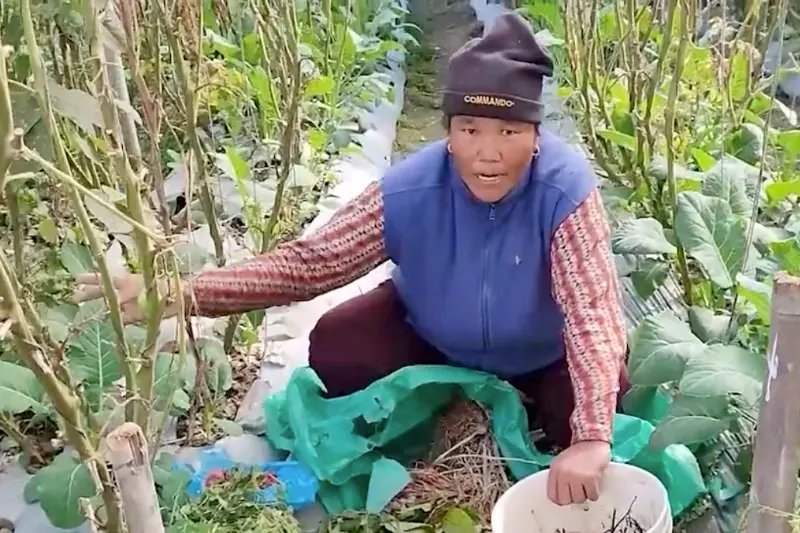
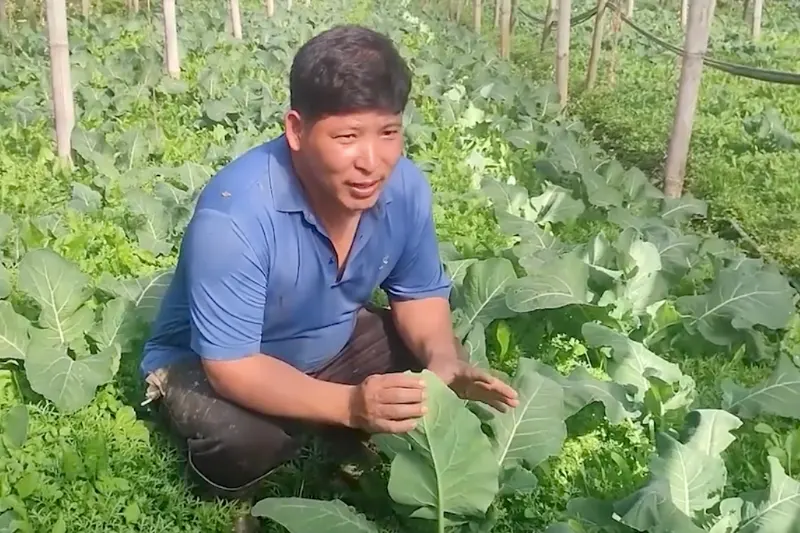
Sustainable Organic farming in Nepal - A strong testimonial.
Farmers from Nepal share their experience.
The experiences of participants show that practical learning creates lasting change. Watch telling themselves. Their talks are really encouraging. By working directly on B2N supported demonstration farms, they gained the confidence to apply new skills, improve their harvests, generate additional income and share their knowledge with others.
Their stories highlight that sustainable development is not only about introducing new technologies, but about empowering people to shape their own future.
Practical Insights for Organic Farming
The project confirmed that simple, locally adapted solutions often have the greatest impact. Composting, natural fertilizers, crop diversification, mushroom cultivation, efficient irrigation and integrated farming systems helped farmers reduce costs while improving soil fertility and productivity.
Continuous mentoring and learning by doing proved essential for long-term adoption. Equally important was connecting training with real livelihood opportunities, enabling families to earn a sustainable income through ecological agriculture while strengthening their resilience to future challenges.

Reducing Chemical Fertilizer Dependency through Organic Nutrient Management
Sr. Archana from B2N supported SMIDS (Stella Maris Institute of Development Studies) shares her knowledge.
Read a comprehensive overview here or jump to all the details she wrote to us in a letter.
Healthy soils are the foundation of productive and resilient agriculture. Our experience shows that reducing dependence on chemical fertilizers is most successful when the focus shifts from feeding the plant to feeding the soil. By strengthening soil biology and recycling farm resources, nutrient efficiency can be significantly improved while maintaining crop productivity.
Key Practices
Instead of applying raw biomass, all farm waste is composted and enriched with beneficial microorganisms. Nitrogen-fixing bacteria (e.g. Azotobacter and Azospirillum), phosphorus- and potassium-solubilizing bacteria, and Trichoderma fungi increase nutrient availability, improve soil health, and protect crops against soil-borne diseases. This approach allows a large share of crop nutrient requirements to be met naturally.
To overcome the slower nutrient release typical of organic systems, compost applications are complemented with foliar sprays such as Panchagavya, Fish Amino Acid, Moringa Leaf Extract, and Azolla Extract. These natural bio-stimulants provide readily available nutrients and plant hormones, promoting vigorous growth while reducing dependence on synthetic fertilizers.
Building Long-Term Soil Fertility
Several complementary practices have proven highly effective:
- Composting and vermicomposting instead of raw manure to improve nutrient quality and reduce pathogens.
- Legumes and green manure crops to naturally fix nitrogen and increase soil organic matter.
- Proper manure management to minimize nutrient losses during heavy rains.
- Reduced tillage, bunds, and grass strips to prevent erosion and retain valuable topsoil nutrients.
- Regular application of liquid biofertilizers and microbial inoculants throughout the growing season to support active soil biology.
Challenges and Lessons Learned
Transitioning from chemical to organic fertility management is not without challenges. Farmers often experience a temporary yield decline during the first two to three years while soil biology recovers. Increased weed pressure, higher labour requirements for compost handling, and weather-dependent nutrient release also require adaptive management. Gradually reducing chemical fertilizers while simultaneously increasing organic inputs proved to be the most successful transition strategy.
Economic Benefits
Although organic farming requires more labour and investment in biological inputs, these costs are largely offset by lower expenditures on chemical fertilizers and irrigation. Improved soil organic matter also increases water retention, reducing irrigation needs. Overall, the system generates estimated net savings of Rs. 12,500–18,000 per hectare per year (130 – 170 US$), while simultaneously improving soil health and long-term farm resilience.
Conclusion: Strengthening Knowledge Exchange
By learning from each other, these projects can adapt successful models like innovative technologies, educational programs, and community-driven initiatives. A coordinated network between projects would further enhance the exchange of knowledge and best practices, maximizing their impact on sustainability, social integration, and economic empowerment.
The future of sustainable development lies in collaboration—let’s build it together!